Optimal Timing for Concrete Installations
Concrete installations are highly dependent on weather conditions and seasonal factors. Proper timing ensures optimal curing, durability, and finish quality. Understanding the best periods for concrete work can help achieve long-lasting results.
Spring offers moderate temperatures and lower humidity, ideal for concrete curing. Early spring can be suitable if temperatures are consistently above freezing.
Summer provides warm weather but requires precautions against rapid drying and cracking. Proper hydration and shading are essential.
Fall can be an excellent time for concrete work due to cooler temperatures and less rain, reducing the risk of delays and weather-related issues.
Winter is generally unsuitable for concrete installation due to freezing temperatures that hinder curing and can cause damage.
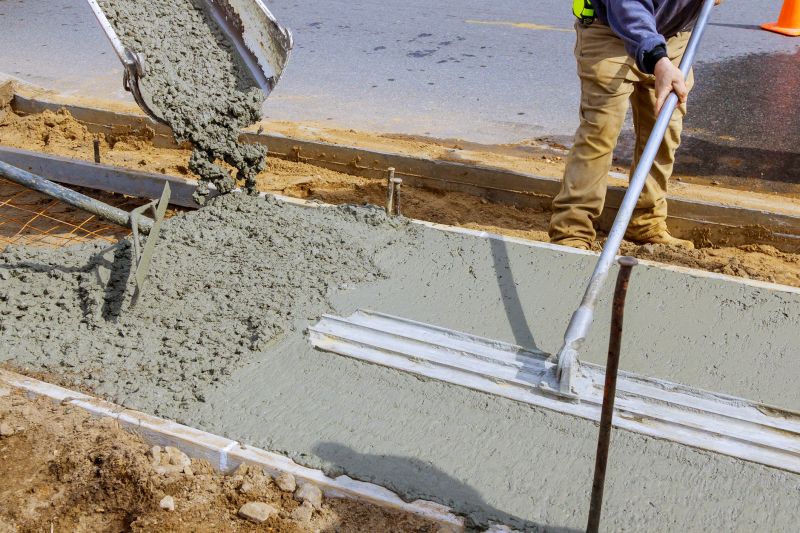
Concrete being poured during spring with mild weather conditions.
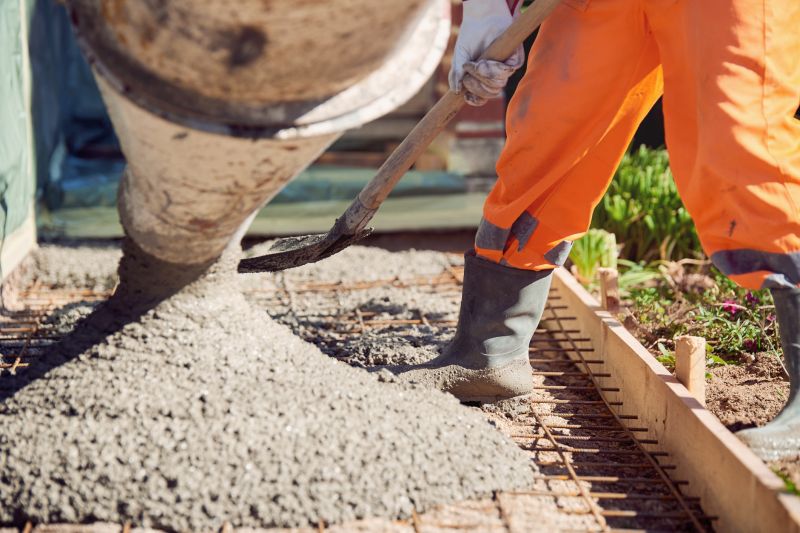
A concrete pour in warm weather with proper shading.
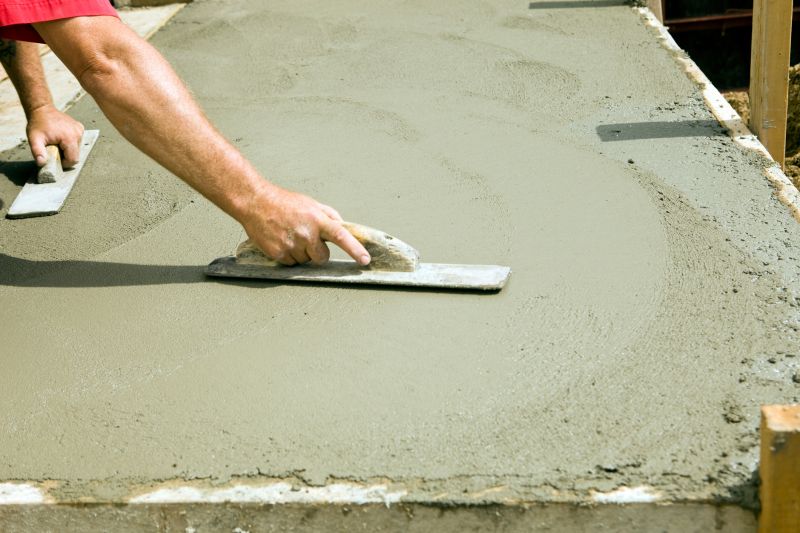
Finished concrete surface in autumn with optimal temperature.
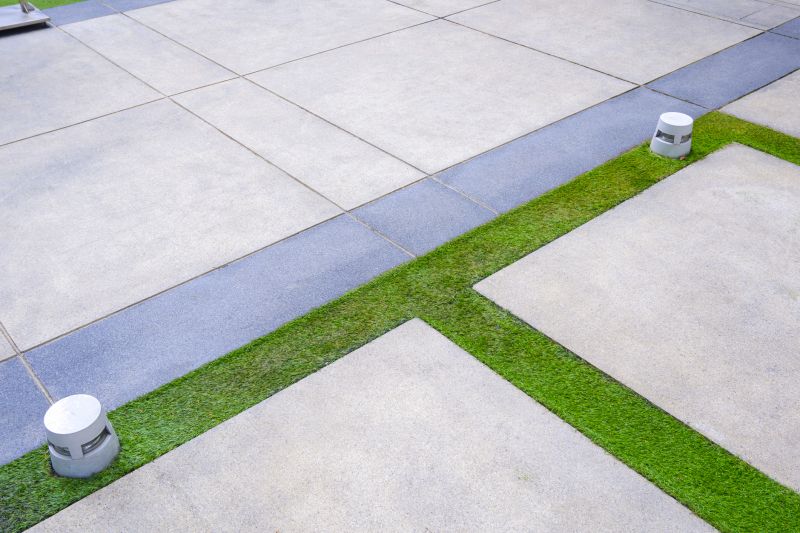
Ways to make Concrete Installations work in tight or awkward layouts.

Popular materials for Concrete Installations and why they hold up over time.

Simple add-ons that improve Concrete Installations without blowing the budget.
| Season | Ideal Conditions |
|---|---|
| Spring | Moderate temperatures, lower humidity, avoid late frosts |
| Summer | Warm weather, ensure proper hydration, avoid rapid drying |
| Fall | Cooler temperatures, less rain, stable weather |
| Winter | Not recommended due to freezing temperatures |
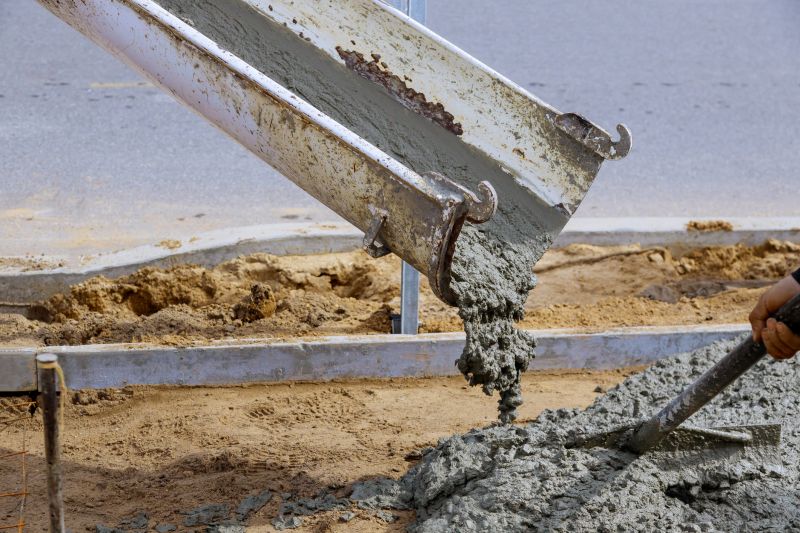
Concrete being poured during spring with favorable weather.
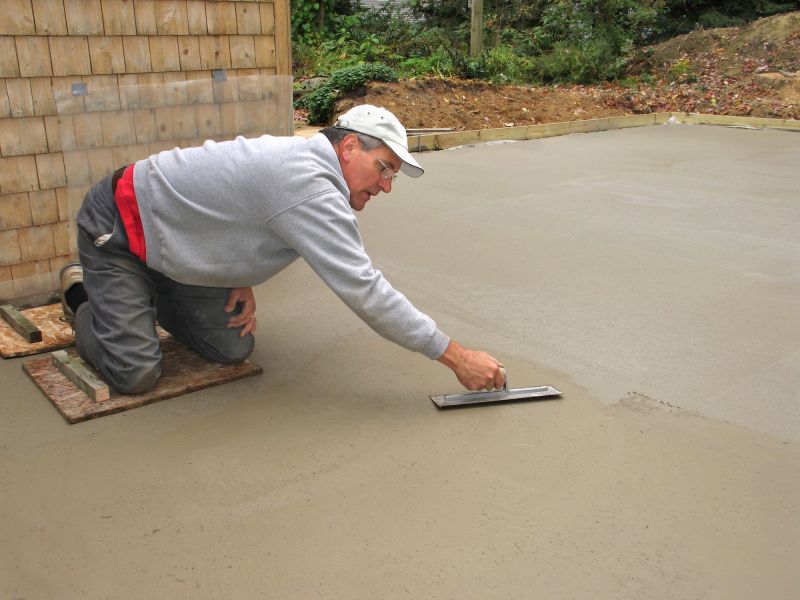
Concrete installation in warm weather with protective measures.

Concrete curing process in autumn conditions.
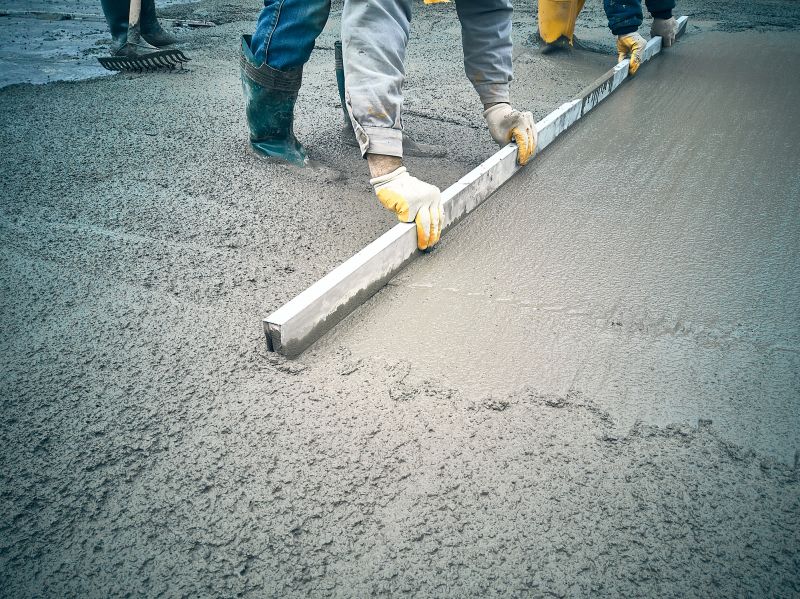
Frozen ground and cold temperatures impacting concrete work.
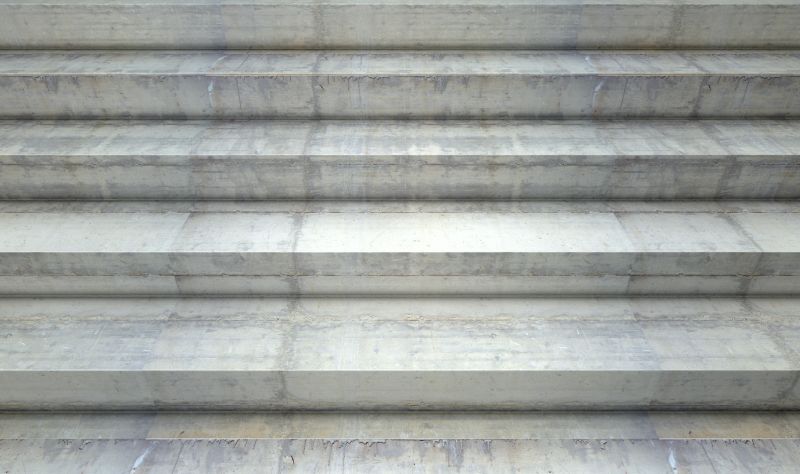
Finishes and colors that play nicely with Concrete Installations.
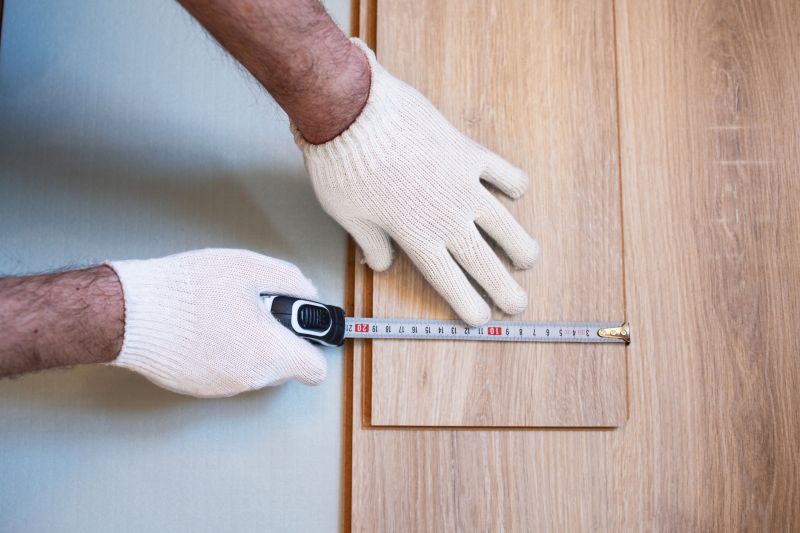
Little measurements that prevent headaches on Concrete Installations day.

A 60-second routine that keeps Concrete Installations looking new.
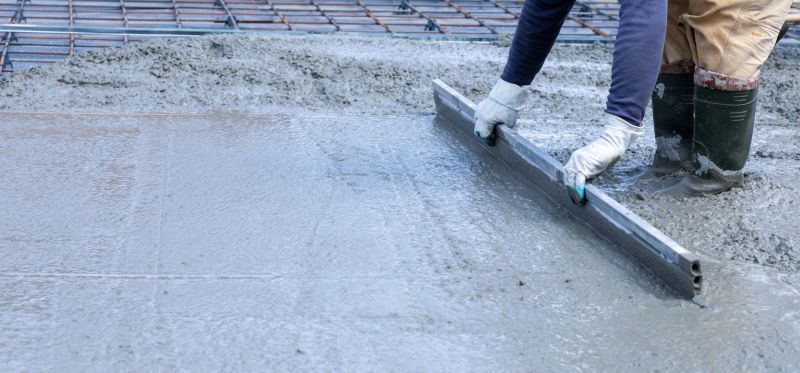
A frequent mistake in Concrete Installations and how to dodge it.

Small tweaks to make Concrete Installations safer and easier to use.
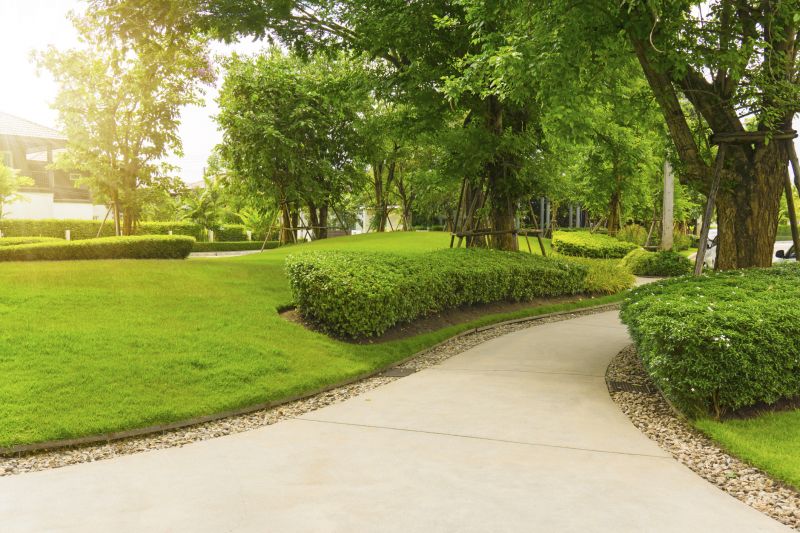
Lower-waste or water-saving choices for Concrete Installations.
Understanding the seasonal dynamics of concrete installation can improve project outcomes. Proper planning around weather patterns reduces delays and material waste. Consulting with concrete professionals can help determine the optimal timing based on specific project conditions and local climate patterns.
Professional advice helps determine the best window for concrete installation.
Monitoring local weather forecasts ensures suitable conditions before starting work.
Proper planning minimizes weather-related risks and delays.
Interested in concrete installation services? Filling out the contact form can provide further information and assistance in planning the optimal timing for a project in Arlington Heights, IL.